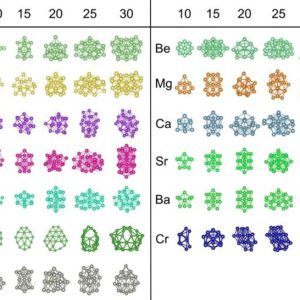


Program Highlights
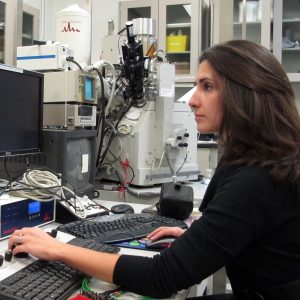
Research
From treating diseases to building the future of sustainable energy, the Department of Materials Science is at the forefront of advanced materials research. Learn more
MCP
The state-of-the-art Materials Characterization Processing center makes Hopkins a hub for critical research and materials engineers. Learn More
Academics
As a student in the Department of Materials Science and Engineering, you will receive the foundational knowledge and experiences you need to pursue your professional goals—no matter which degree path you take. Learn more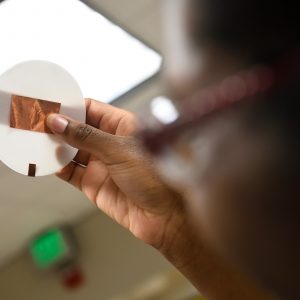
Paid Research Opportunities
Master's students can earn academic credit while working in the corporate research field through the Institute of NanoBioTechnology Master's Co-Op Industry Program. Learn MoreA Focus on Research
A field-leading faculty
From biomaterials and materials for energy to computational and structural materials, our faculty are leading advances and redefining their areas of study. Areas of ResearchAn interdisciplinary focus
Our faculty partner with colleagues across Johns Hopkins divisions and play leadership roles in many of the university's most dynamic and renowned research centers and institutes. Explore related research centers and institutesWorld-class facilities
From the Materials Characterization and Processing facility and Biomaterials and Drug Delivery Lab to our Undergraduate Teaching Lab, we provide an ideal environment for research and education. Learn about our facilities
Vivien Thomas Scholars Initiative
The Vivien Thomas Scholars Initiative (VTSI) is an endowed fellowship program at Johns Hopkins for PhD students in STEM fields. It provides full tuition, stipend, and benefits while also providing targeted mentoring, networking, community, and professional development opportunities. Students who have attended a historically black college and university (HBCU) or other minority serving institution (MSI) for undergraduate study are eligible to apply.
“Joining a great project and being mentored by faculty who are top-notch in the field was definitely high on my list when I was deciding on grad schools and 5 years down the line, I am still glad I chose JHU. ”
 Suhas Eswarappa Prameela
PhD Student
Suhas Eswarappa Prameela
PhD Student
-

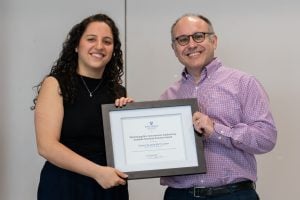
Hadas Elazar-Mittelman MS’23, a third-year materials science and engineering PhD candidate, is the winner of this year’s George M.L. Sommerman Engineering Graduate Teaching Assistant Award, which recognizes her excellence in…
-
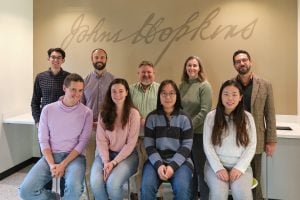
Researchers from Johns Hopkins, Washington University in St. Louis, and the University of Wisconsin - Madison are developing additive manufacturing methods with metallic glasses.
-

Amee Polk likes to blow things up. So when the self-proclaimed adrenaline junkie discovered she could indulge her passion for thermites and ignition while earning a Doctor of Engineering degree…